Our science
We utilize patient biology, biomarker-based screening, and advanced data analytics to de-risk clinical translation.

Patient inspired, ML/AI-powered
A groundbreaking discovery engine to facilitate clinical translation and accelerate CNS drug development
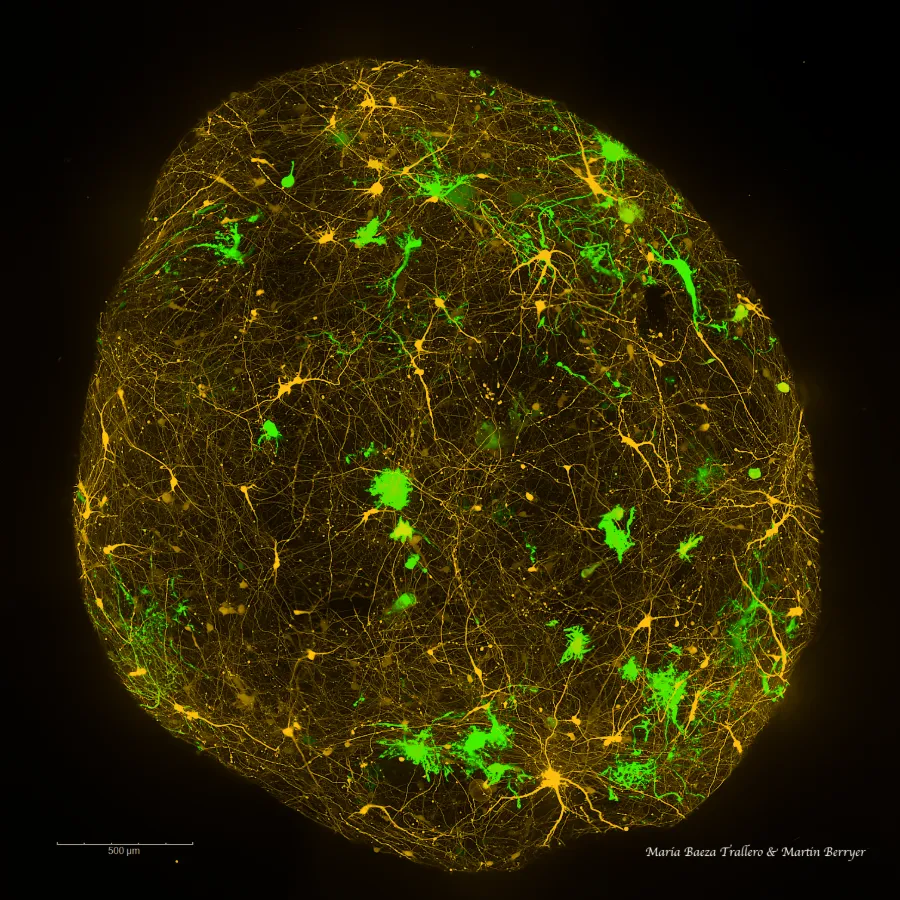
Our proprietary platform combines human patient iPSC-derived models of brain disease, large-scale biology, and the computational tools of deep learning and network medicine to identify therapeutic candidates that halt, prevent, or reverse critical molecular events that lead to synaptic network dysfunction and neurodegeneration.
The platform
Patient-derived iPSC organoids
Leverage an understanding of human disease biology to identify clinically translatable disease phenotypes.
Biomarker-based screening
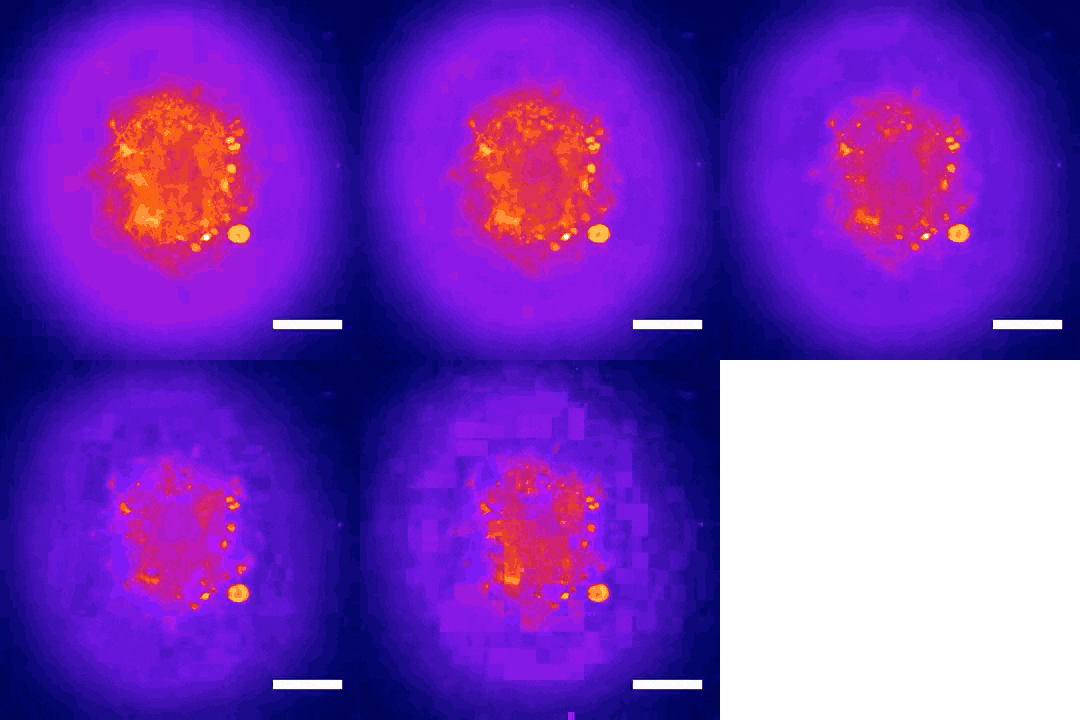
Identify, validate, and de-risk targets and hits across multiple biological endpoints.
Value creation
Discover and develop best-in-class novel and repurposed drugs.
AI/ML powered
Integrating deep learning and network medicine to usher in a new era in CNS drug discovery.
Platform features
- Reproducibly capture human disease pathophysiology in a high-throughput format.
- Amenable to both phenotypic and target-based screening.
- Drive compound discovery with clinically translatable disease endpoints.
- Rapid discovery of first- and/or best-in-class therapeutic candidates.
Our approach
Patient inspired
Patient-inspired drug discovery and development involves actively engaging and incorporating patient perspectives throughout the process, aiming to create more effective and patient-centric treatments that address real-world needs and challenges.
AI/ML-powered
AI/ML-powered drug discovery and development involves using artificial intelligence and machine learning to analyze vast amounts of data, predict drug efficacy, identify potential candidates, and optimize clinical trials, ultimately accelerating the process of finding new and effective treatments for improved patient outcomes.
Currently focused on drug discovery for Parkinson’s disease (PD)
- 01
PD pathophysiology
Human PD patient-derived midbrain organoids recapitulate key elements of PD pathophysiology, including dopamine neuron degeneration and synaptic dysfunction.
- 02
Genetic entry points
Utilize familial PD genetic entry points into dysfunctional autophagy/lysosomal and mitochondrial/oxidative stress pathways for expansion into the sporadic PD population.
- 03
Underlying disease processes
Phenotypic screening of targeted small molecule libraries with clinically translatable endpoints to identify compounds that ameliorate the underlying disease processes.
- 04
Design better clinical trials
Identify and define key molecular signatures to refine clinical trial endpoints and patient selection.
Foundation model-based organoid network browser
Explore BrainStorm’s organoid network browser, an interactive tool hosted on a separate server.
Get in touch
Talk to us about our precision neuroscience platform, our Parkinson’s disease program, or working with the BrainStorm team.